Flower Presentation Styles—and Which One Fits the Gift
Choose the flower presentation that fits the handoff, receiving space, and how much arranging the recipient wants to do.
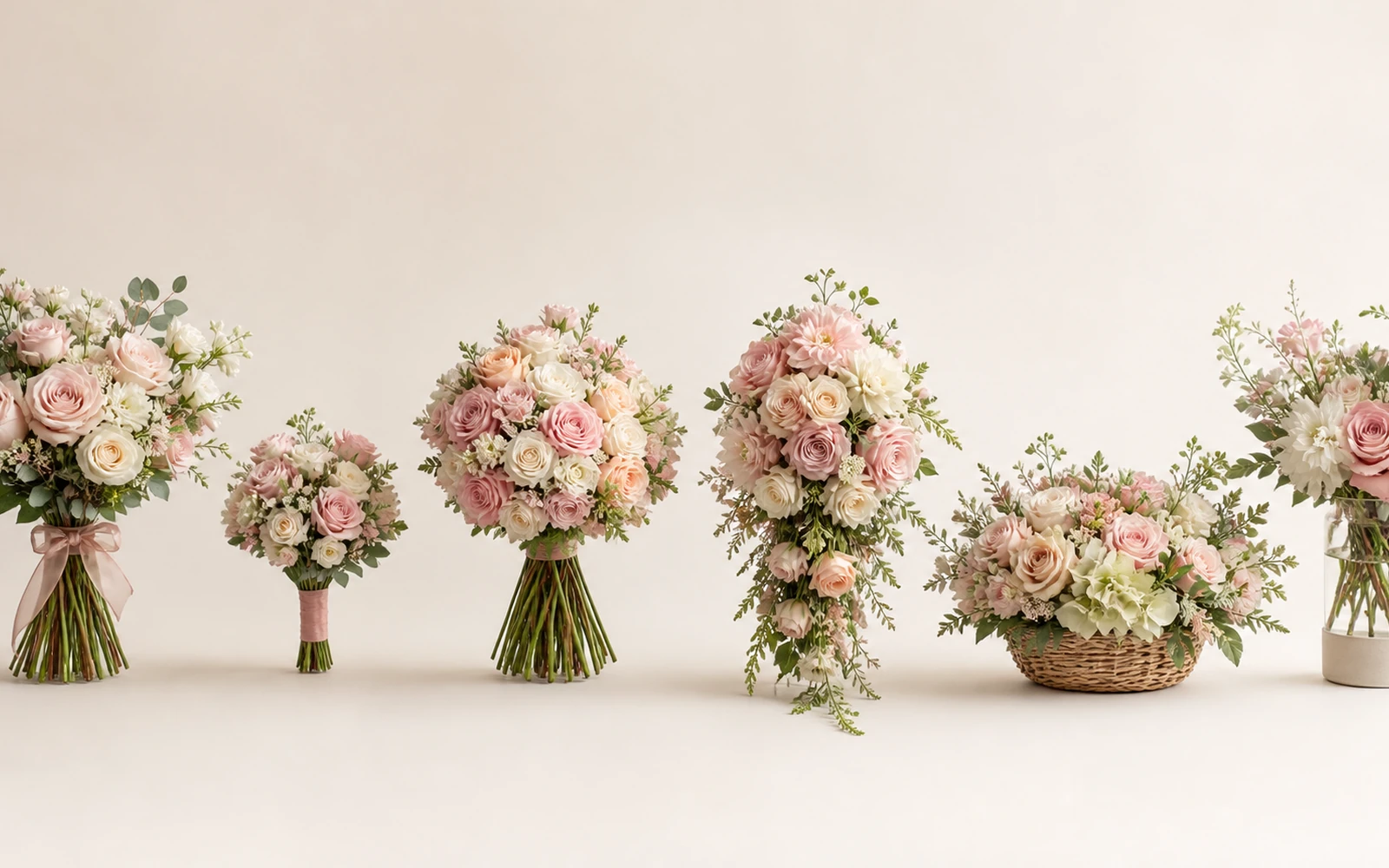
A bouquet vs vase arrangement decision is really a choice about the handoff. A hand-tied bouquet arrives as gathered stems and gives the recipient the pleasure of choosing the vase. A vase arrangement arrives composed and ready for a stable surface. Posy, round, and cascade describe scale or silhouette; basket and vase designs begin with the container. Choose the flower presentation by what should happen in the recipient’s first hour with the gift.
These six names overlap in useful ways. A posy can be round and hand-tied, and a round bouquet can arrive in a vase. “Hand-tied” describes construction and presentation, “posy” describes compact scale, and “round” or “cascade” describes visual direction.
| Bouquet format | What the recipient sees | Immediate effort | A natural occasion direction | Best receiving setting |
|---|---|---|---|---|
| Hand-tied | stems gathered and tied as one unit, often with wrapping or ribbon | find a vase, add water, and adjust the stems; remove wrapping when present | personal handoff or a gift for someone who enjoys flowers | a home where a vase is available |
| Posy | a small, compact floral gesture | depends on whether it is wrapped or contained | an intimate thank-you or small celebration | desk, bedside, or small table |
| Round | a clear, polished mass of flowers | depends on the container | romance, birthday, or formal celebration | a room with space for its visual volume |
| Cascade | flowers moving visibly downward | careful carrying and deliberate placement | ceremony or styled presentation | a planned display area rather than a crowded desk |
| Basket | a broad design built around its container | place it, protect surface space, and continue care | sympathy, home welcome, or generous household gift | home or receiving area with enough footprint |
| Vase arrangement | flowers already composed in a water-holding vessel | least immediate setup, though ongoing care remains | surprise delivery, hospitality, or an easy-to-receive gift | a confirmed stable surface at home, hotel, or office |
If you already know the recipient’s space, compare current Rosa Fiora bouquets by presentation before deciding by color alone. These three designs show how strongly format changes the gift.
Coral-pink roses form a precise hand-tied outline. The visible stems and bow make the carried presentation part of the experience.
Blue hydrangeas gather into a cool, rounded cloud. Their concentrated mass and monochrome color give the piece a very different presence from a loose garden bouquet.
Blue, pink, and ivory hydrangea, orchids, peonies, roses, and stock form a layered mixed arrangement. Its varied flower faces and finished presentation give it a very different presence from a single-flower hand-tied bouquet.
Hand-tied bouquets make the presentation personal
A hand-tied bouquet is built by gathering and tying the stems as one designed unit. It may be finished with wrapping or ribbon, but the construction—not the wrap—is what defines it. I choose this format when the handoff itself matters: arriving at a door, meeting someone for dinner, or giving flowers to a person who enjoys arranging them at home.
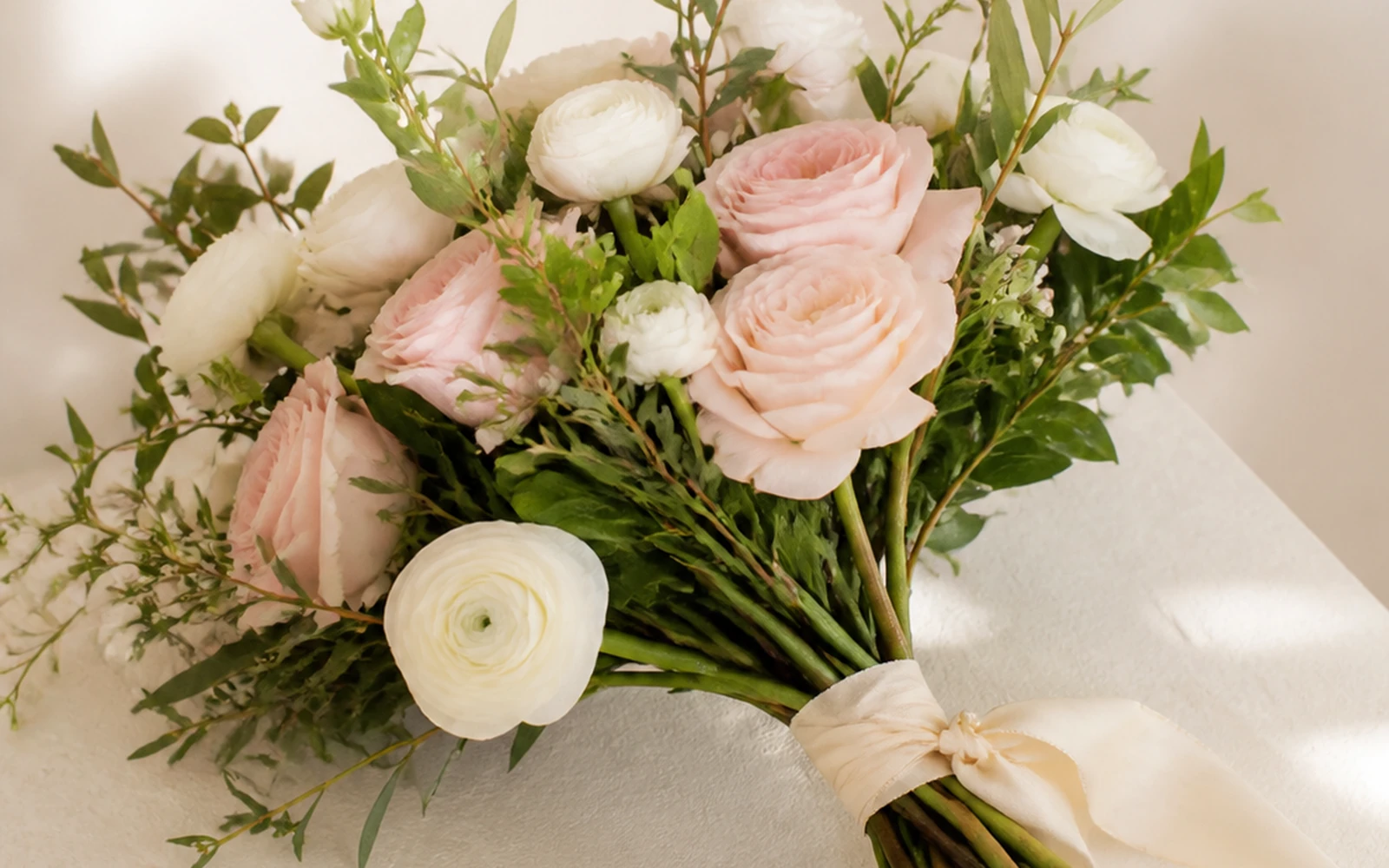
That beauty comes with a task. The recipient needs to find a suitable vase, add water, adjust the stems, and remove any wrapping. If the person is traveling, at work, checking into a hotel, or hosting a crowded event, that setup may be inconvenient at exactly the wrong moment.
Choose hand-tied when:
- the recipient is going home soon;
- you know a vase will be available;
- carrying the bouquet is part of the occasion;
- the wrapping and ribbon should contribute to the reveal;
- the recipient likes choosing the final vase and shape.
I would switch to a contained arrangement when the recipient needs to receive, place, and enjoy the gift with fewer immediate decisions.
A posy is about compact scale
A posy is the small, close-in choice among these formats. It can be wrapped or placed in a small vessel; it can also be round and hand-tied. The useful distinction is not a strict flower recipe but its compact visual and physical scale.
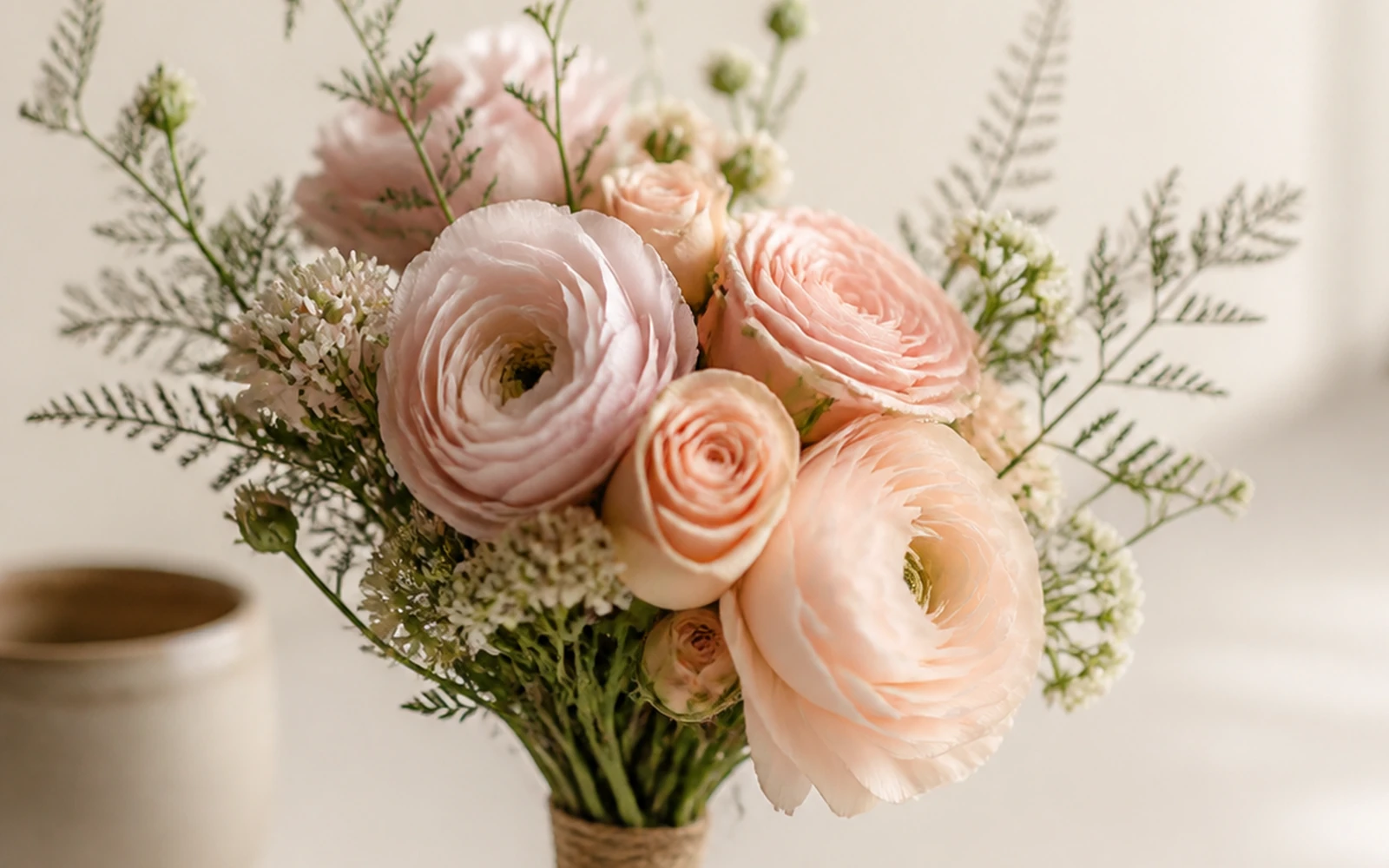
That makes a posy persuasive in a different way from a large arrangement. It can sit on a bedside table, fit a smaller desk, accompany a handwritten note, or mark a quiet thank-you. Its compact scale keeps the gesture and setting in proportion.
Check the presentation before assuming a posy is effortless. A small wrapped posy still needs water and a vessel. A contained posy reduces that first step but still needs ongoing care and a secure surface.
Round bouquets create a clear focal point
“Round” describes the outline: a balanced, front-and-center mass with a polished silhouette. It is easy to read from across a room and naturally suits occasions where the bouquet is meant to feel composed and celebratory.
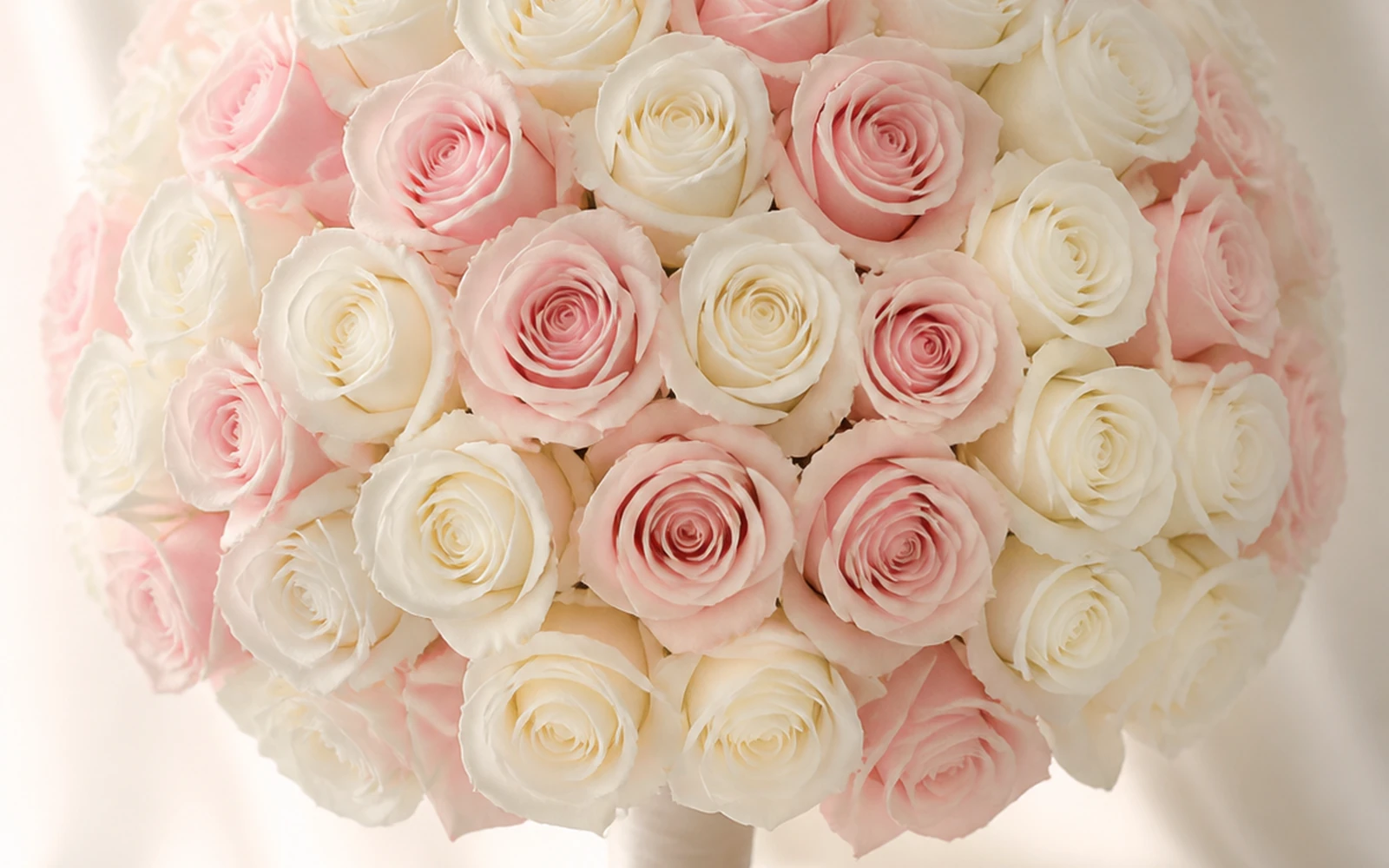
Round designs can vary greatly in size, color, and construction. Some are hand-tied. Some sit in a vase or other container. The silhouette alone does not tell you how much setup the recipient faces, so ask the second question: round in what presentation?
A compact round bouquet can feel neat and intimate. A broad, dense round design needs more visual and physical space. Before sending one to a desk, hotel room, or small condo table, imagine its footprint rather than judging only the close-up product photograph.
Cascade bouquets need a planned moment
A cascade has visible downward movement and a more directional, front-facing presentation. It creates drama because the eye follows the flowers beyond a compact upright outline.
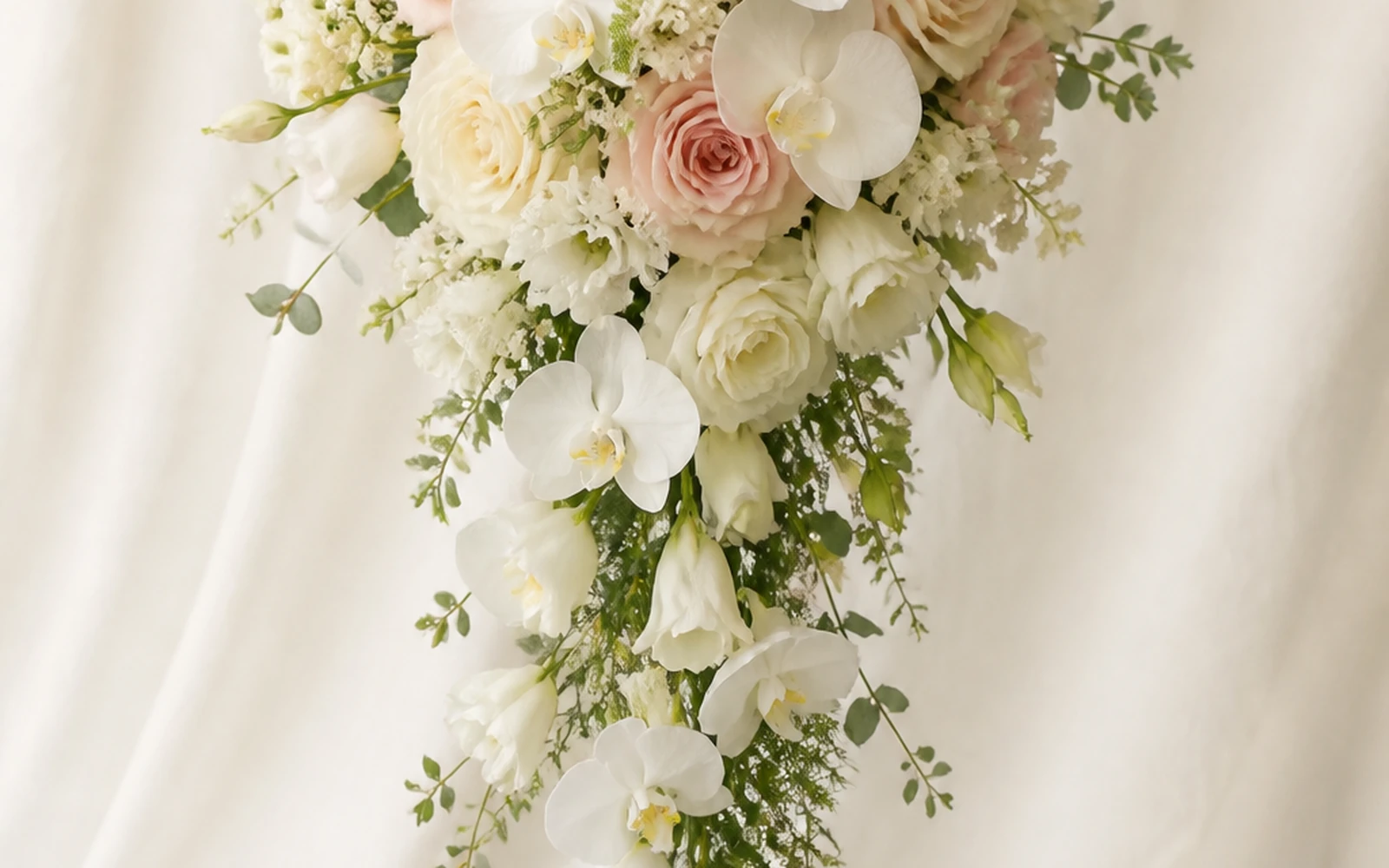
This format is familiar in ceremonial and styled settings, but it is not limited to weddings. The practical boundary matters more: a cascade asks for careful carrying, a clear viewing direction, and deliberate placement. It is rarely my default for an ordinary office desk or an unplanned home delivery.
Choose a cascade when the setting, handling, and display have been considered in advance. Avoid it when the recipient will be moving through several locations, searching for a container, or fitting the flowers onto a crowded surface.
Basket arrangements bring their own footprint
A basket arrangement arrives as one broad, container-led composition. It can create a gardenlike display without asking the recipient to search immediately for a vase. The basket also gives the flowers visual weight at the base, so the design often reads horizontally as well as vertically.
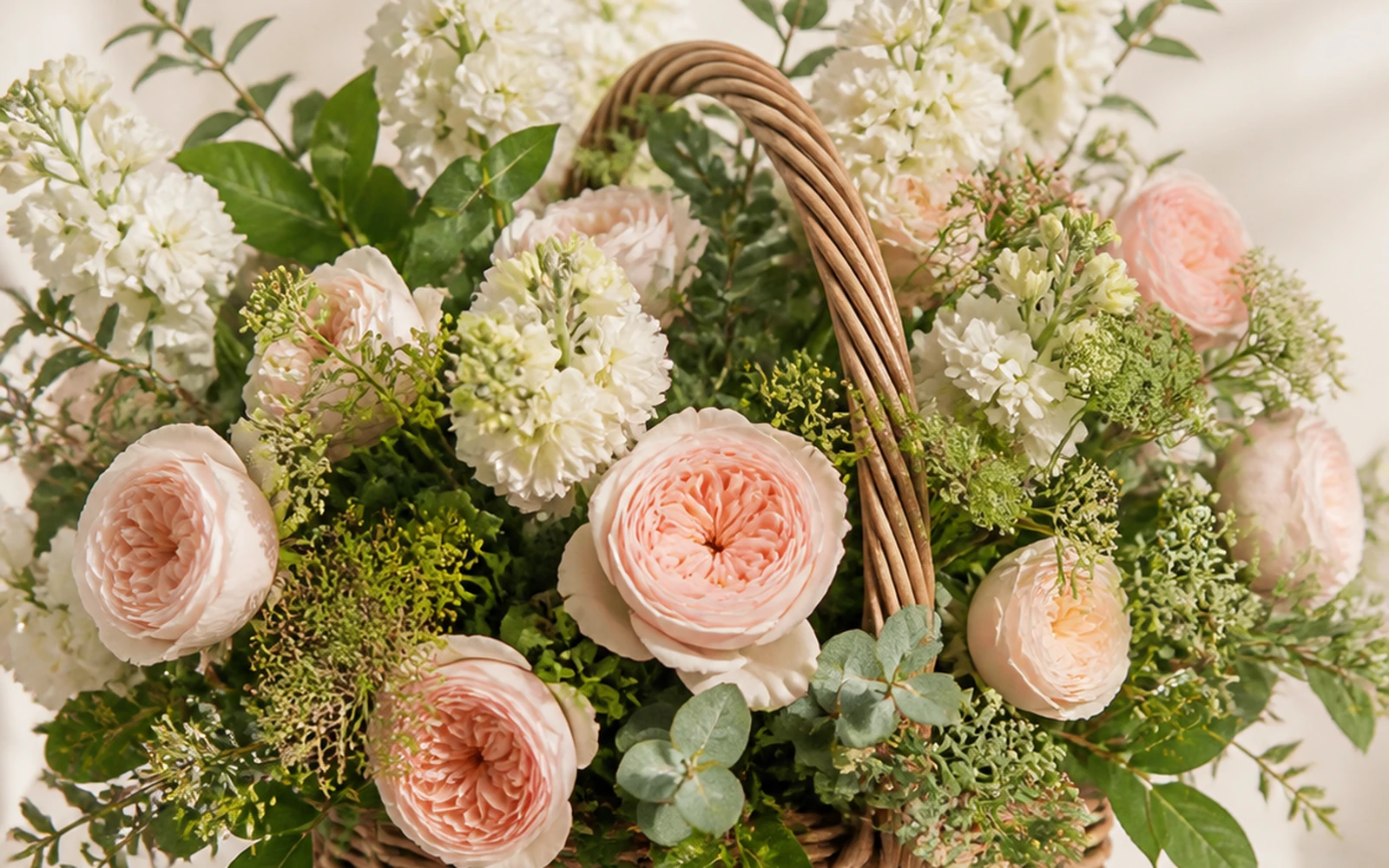
That broad footprint is the decision point. A basket needs a surface large enough to support it without crowding food, work materials, photographs, or other objects. It reduces the first setup task while regular flower care and a protected surface keep the display looking polished.
Basket arrangements can work well as household gifts, welcomes, and personal sympathy gestures when the receiving area is known. For managed buildings, confirm that staff can receive and hold the full arrangement safely.
Vase arrangements reduce the first task
A vase arrangement arrives already composed in a water-holding vessel. For a surprise delivery, hotel stay, office, or recipient who should not have to locate supplies immediately, this is usually the easiest first-hour experience.
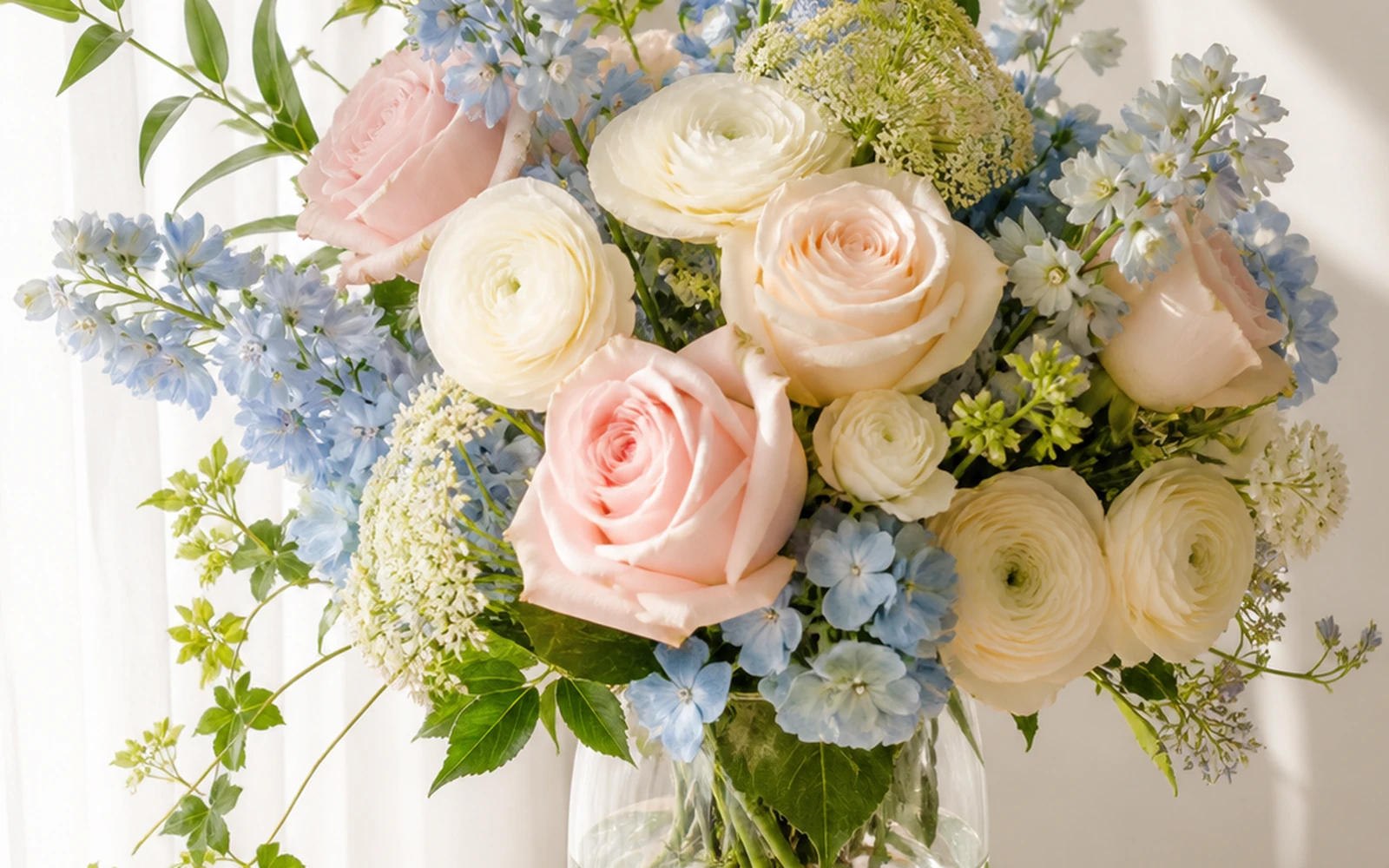
A ready-to-place arrangement needs a stable surface and enough clearance around the flowers. Tall, broad, or asymmetrical designs deserve more room than a compact photograph may suggest.
I choose a vase format when the arrangement itself should be complete at the moment of receipt. I choose hand-tied when the carried bouquet and unwrapping should be part of the gift.
Decide by the handoff, not by the label alone
Use four questions to settle the choice:
- How will it be presented? A personal handoff can support wrapped stems; a delivery often benefits from a finished container.
- What must the recipient do immediately? Be honest about access to a vase, water, tools, and time.
- What does the occasion need? A small gesture, polished celebration, household display, and planned ceremony each ask for a different visual volume.
- Where will it land? Consider desk width, bedside space, hotel furniture, condo access, and how far the flowers must be carried.
The largest or most elaborate bouquet can still be the wrong format. A design succeeds when it fits the recipient’s real next hour.
Miami delivery changes the format decision
Condos, hotels, offices, and other managed properties may restrict access or direct a florist to reception, concierge, security, or another receiving area. Complete recipient, address, property, unit or room, and access details help the order move through the property’s process.
Review Rosa Fiora’s current Delivery Policy and include the complete recipient, property, unit, room, concierge, or security details that apply to the handoff.
For an unusual format or a setting with tight constraints, share the occasion, date, delivery area, and style through the Rosa Fiora contact page. The team can shape the format around the actual receiving space.
Choose the bouquet by what happens after it arrives: carried and unwrapped, placed and displayed, or received with minimal setup. If loose stems will be placed at home, the seven-step flower-arranging guide continues from handoff to finished vase. Apply the same format decision to a graduation bouquet, an easy-to-receive get-well gift, or new-baby flowers chosen for the parents’ space.